Lista kontrolna dla umów dystrybutorów kabli: terytorium, produkty, cena, minimalny zakup, zgodność i wyjście.
Szybka odpowiedź:a distributor agreement should define the territory, the products, the minimum purchase, the price basis, the delivery terms and the exit. A short agreement with clear commercial terms is better than a long document that nobody can apply.
This guide is for vape brands appointing distributors in Europe and for distributors reviewing a supplier agreement. It is commercial guidance, not legal advice.

1. Territory and exclusivity
Define the countries, channels and customer types. “Europe” is not a territory. A distributor may have a strong retail network in one country and no coverage in another. If exclusivity is offered, tie it to a minimum purchase or a coverage target.
State whether online sales are allowed and whether the distributor may sell to other distributors. An exclusive territory without channel rules creates disputes.
2. Products and prices
List the brands and SKUs in scope, the price basis and the currency. State whether the price includes delivery, duty and VAT, and what happens when the supplier changes the price. A distributor needs a notice period and a way to protect quoted orders.
Use a separate price list and a proforma invoice. The agreement should say which document prevails when they differ.
3. Minimum purchase and forecast
Set a realistic minimum order or annual purchase target. A target that the distributor cannot meet is not a commitment; it is a reason to renegotiate. Ask for a rolling forecast, not a fixed annual promise.
| Termin | What to write |
|---|---|
| Territory | Countries, channels, online rights |
| Products | Brands, SKUs, exclusions |
| Price | Currency, Incoterm, validity |
| Minimum | Order or annual target |
| Delivery | Lead time, route, documents |
| Termin | Start, renewal, notice, exit |
4. Compliance and brand use
The distributor should follow the local label, notification and responsible-person requirements. The agreement should state who provides the label proof and who handles a market authority request. Brand assets, photos and claims need a usage rule.
Do not let the distributor make health claims or change the label without approval. A local adaptation may be necessary; it should be documented, not improvised.
5. After-sales and defects
Agree the defect rate, the evidence, the replacement or credit process and the return freight. A distributor needs a clear answer before the first pallet, not after a customer complaint.
Set a response time and an escalation contact. A slow claim process is a commercial problem even when the product is good.
6. Exit
State the notice period, the treatment of open orders and the sell-off period for stock. A clean exit protects both sides and makes a renewal possible. A vague termination clause turns a commercial disagreement into a legal one.
Territory performance review
Set a review every quarter with three numbers: active accounts, sell-through and stock cover. A distributor with a large territory but few active accounts is not covering the market. Use the review to adjust the target or the territory, not only to ask for another order.
If exclusivity is tied to performance, state the consequence clearly: conversion to non-exclusive, a reduced territory or termination after a cure period. A target without a consequence is not enforceable.
Forecast and order discipline
Use a rolling three-month forecast with a monthly update. The forecast is not a purchase order; it is a planning signal. Confirm the order separately with quantity, price, Incoterm and delivery window.
Keep a written record of every change. A verbal forecast that becomes an expectation is a common source of disputes.
Dispute resolution and exit
Write a escalation path: commercial contact, management, then mediation or the agreed legal route. A dispute clause that starts with lawyers is expensive for both sides.
For an exit, state the notice period and the treatment of open orders, stock and credits. Allow a reasonable sell-off period for stock already purchased. A clean exit preserves the option to work together again.
Keep the agreement and the price schedule in one folder with the current version and the signed date. A verbal side agreement is difficult to enforce and easy to forget.
Review the agreement annually. The market, the product range and the distributor’s coverage change; the contract should not be the last thing anyone reads.
Practical checklist
Write the territory, channels, products and exclusions on one page. Add the price basis, currency and Incoterm. State the minimum purchase and the review period.
Attach the label, compliance and after-sales responsibilities. Name the people who handle orders, claims and escalations. Keep the signed version with the current price list.
Review the agreement after the first quarter. A distributor that cannot meet the target may need a smaller territory, not a longer contract. A supplier that cannot deliver may need a different route.
- Territory defined.
- Price and Incoterm stated.
- Compliance owner named.
- Exit process included.
Common mistakes
The first mistake is granting exclusivity without a territory, channel scope and target. The second is leaving compliance and after-sales responsibilities unstated. The third is relying on a verbal forecast instead of a written order.
A short agreement with clear commercial terms is easier to apply than a long document with no review process. Put the price list, territory and claim process in the same folder.
Keep a short communication log with the distributor: forecasts, order changes, claims and price updates. A written log makes the quarterly review factual and reduces the chance of a dispute about what was agreed.
Finally, put the start date, review date and notice dates in a calendar. Agreements fail when nobody remembers the review. A scheduled check is a simple way to keep the territory and the targets relevant.
Add the review date to the signed agreement so the territory and target are checked on schedule.
Give both sides a copy of the final signed version and keep the price schedule attached to it.
Review the agreement with the actual sales data before renewing it.
Keep the reviewed agreement, price list and distributor contacts in one shared folder.
Record the date of each review so the next meeting starts from the current terms.
Keep the signed version and the current price list together so the team works from the latest terms.
FAQ
Should a distributor agreement be exclusive?
Only with a clear territory, channel scope and performance target. Exclusivity without a target is a one-sided commitment.
What payment terms are normal?
It depends on the relationship and market. Start with a deposit and a balance before shipment, then review after a track record.
Who handles local compliance?
It depends on the importer and the market. Write it down; do not assume the supplier or distributor automatically holds the role.
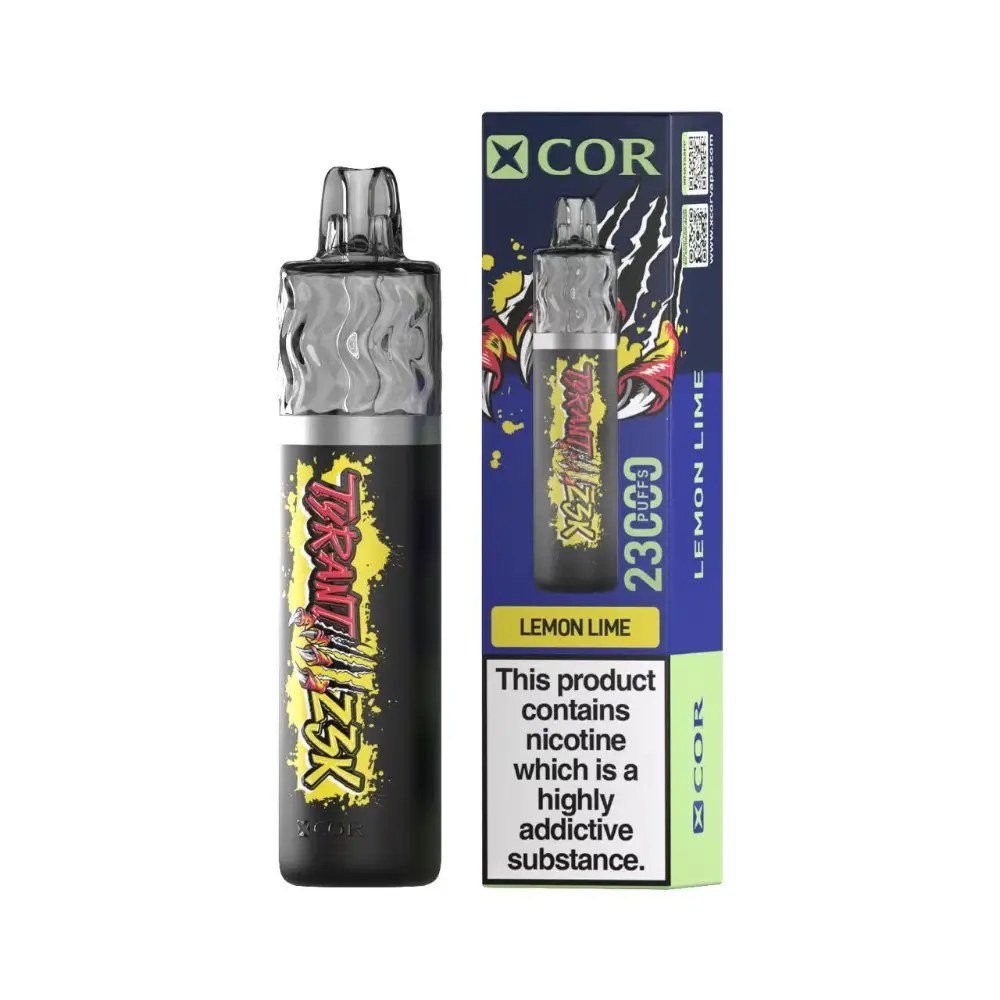
Next step:use theXcor Max 50Kas a sample SKU for a draft territory and price schedule, then test the terms with one distributor before signing an exclusive deal.
Related reading: Wholesale payment termsIReturns and credit policy.
Sources and review
Prepared by the VapeEazy Trade Desk for B2B brands and distributors. This is not legal advice; use a local lawyer for the final agreement.
- Your Europe — VAT rules and rates
- European Commission — Tobacco Products Directive
- WHO — Tobacco fact sheet
Reviewed by the VapeEazy Trade Desk.Read oureditorial policy. Last reviewed: 18 November 2026.
Keep the buying sheet and the next review date with the order file so the decision is easy to repeat.
Pochodzisz z tego artykułu?
Zapytaj zespół handlowy.
Wyślij listę produktów lub marek oraz rynek docelowy — potwierdzimy stan magazynowy, MOQ i trasę.
Poproś o wycenę