A practical OEM guide for vape brands: white label vs private label, MOQ, tooling, packaging, compliance and timeline.
Quick answer: white label means buying an existing product with your brand added; private label means developing a product or specification for your brand, usually with a higher MOQ, custom packaging and a longer timeline. White label is faster; private label gives more control and more responsibility.
This guide is for European vape retailers and distributors considering an own-brand line in 2026. It covers the commercial difference, the documents to request and the questions to settle before paying a deposit.
1. White label
With white label, the factory already has the device, coil and flavour set. The buyer chooses a logo, packaging and sometimes a colour. MOQ is usually lower than a full private-label project, and the sample can be ready quickly.
The trade-off is differentiation. Other sellers may use the same hardware, and the buyer has limited control over the specification. The label still has to meet the destination market’s requirements.
2. Private label
Private label starts from a specification: capacity, battery, coil, airflow, display, flavour profile and packaging. The factory may adapt an existing platform or build a new one. MOQ and tooling costs are higher, and the project needs a longer timeline.
The buyer takes more responsibility for the product definition, the artwork, the label and the batch record. That is the point of private label: more control, more work.
3. Commercial comparison
| Item | White label | Private label |
|---|---|---|
| Hardware | Existing platform | Adapted or new |
| MOQ | Lower | Higher |
| Timeline | Short | Long |
| Packaging | Logo / colour | Custom structure |
| Differentiation | Limited | Higher |
| Buyer workload | Lower | Higher |
4. Label and compliance
Do not approve artwork without checking the destination label requirements. The buyer should confirm the language, warnings, nicotine content, batch field and manufacturer/importer details. A packaging design that looks good but misses a required element cannot be sold.
Ask who holds the product notification and the responsible-person role. A factory can produce the device; it does not automatically become the local responsible operator.
5. Sample and approval
Approve a physical sample, not only a 3D render. Check the draw, the display, the charging port and the packaging. Photograph the sample and keep it as the reference for the production batch.
Define what counts as a defect before the first production run. A colour difference, a logo position or a carton label can become a dispute if the approval standard was not written down.
6. Timeline and payment
A white-label order can be ready in weeks; a private-label project needs artwork, samples, tooling and production. Ask for a milestone plan with dates for artwork approval, sample approval, production and shipment. Tie payments to milestones, not to optimism.
Check the currency, Incoterm and defect policy. A low unit price with a vague delivery date is not a lower project cost.
Tooling, packaging and hidden cost
A private-label project may need a new mould, a printed box, a leaflet and a master carton. Ask which of these are new, which are shared and which are charged once. The unit price may look acceptable while the one-time tooling, artwork and sample cost sit outside the quote.
Request a full project cost: tooling, samples, artwork, compliance review, first production, freight and the cost of a second run. Compare that with the white-label option at the same volume.
Quality control and IP
Write the approval standard before production: colour tolerance, logo position, label text, leak test and packaging condition. Agree the inspection method and who pays for a failed batch. A private-label buyer cannot rely on the factory’s general quality claim without a written standard.
Own the brand assets and the artwork files. Ask for a written assignment of the logo and packaging design, and check that the factory is not using the same artwork for another buyer.
Launch checklist
Before the deposit: approve the sample, the label and the packaging dieline. Confirm the MOQ, tooling cost, production lead time and the payment milestones. Ask for the batch record format and the inspection standard.
Before production: sign off the artwork in the destination language, check the warning placement and confirm the importer/responsible-person details. Keep a PDF and a physical proof.
Before shipment: inspect a production sample against the approved sample. Check the carton quantity, the label and the batch code. A last-minute change after production starts is expensive.
After launch: record sell-through and claims by batch. A private-label product needs a tighter feedback loop because the buyer owns more of the specification.
Project checklist
Before the deposit, confirm the specification, the MOQ, the tooling cost and the production window. Ask for the label proof in the destination language and the name of the entity responsible for the local product.
Before production, approve the physical sample and the packaging proof. Check the warning, the batch field and the carton quantity. Keep one approved sample sealed for reference.
Before shipment, inspect a production unit against the approved sample. A last-minute artwork change after printing is usually more expensive than a short delay.
- Specification signed.
- Label proof approved.
- Sample sealed.
- Batch and importer confirmed.
Common mistakes
The first mistake is approving artwork without a physical label proof. The second is treating a white-label product as private label without checking the hardware. The third is forgetting the one-time tooling, sample and compliance cost when comparing the unit price.
Ask what is genuinely custom, what is shared and what is charged once. A clear answer before the deposit is cheaper than a change after production.
Keep the approved sample and the signed artwork in one folder. When the next production run starts, compare the new sample with the approved one before the full batch is packed. A two-minute check at the sample stage is cheaper than a return from a distributor.
Finally, plan the second production run before the first one arrives. The buyer needs to know the reorder MOQ, the lead time and whether the packaging plates can be reused. A successful first batch that cannot be repeated on time is not a supply plan.
Write the reorder assumptions into the launch note so the team can plan the second order before the first one sells out.
FAQ
Is white label cheaper than private label?
Usually yes on the first order, because the hardware and tooling already exist. The difference narrows at higher volumes.
Can a private-label product use an existing device?
Yes, if the factory allows the specification and packaging change. Ask what is genuinely custom and what is only a label.
Who owns the artwork and brand?
Put it in the contract. The buyer should own the brand assets and receive the production files on completion.
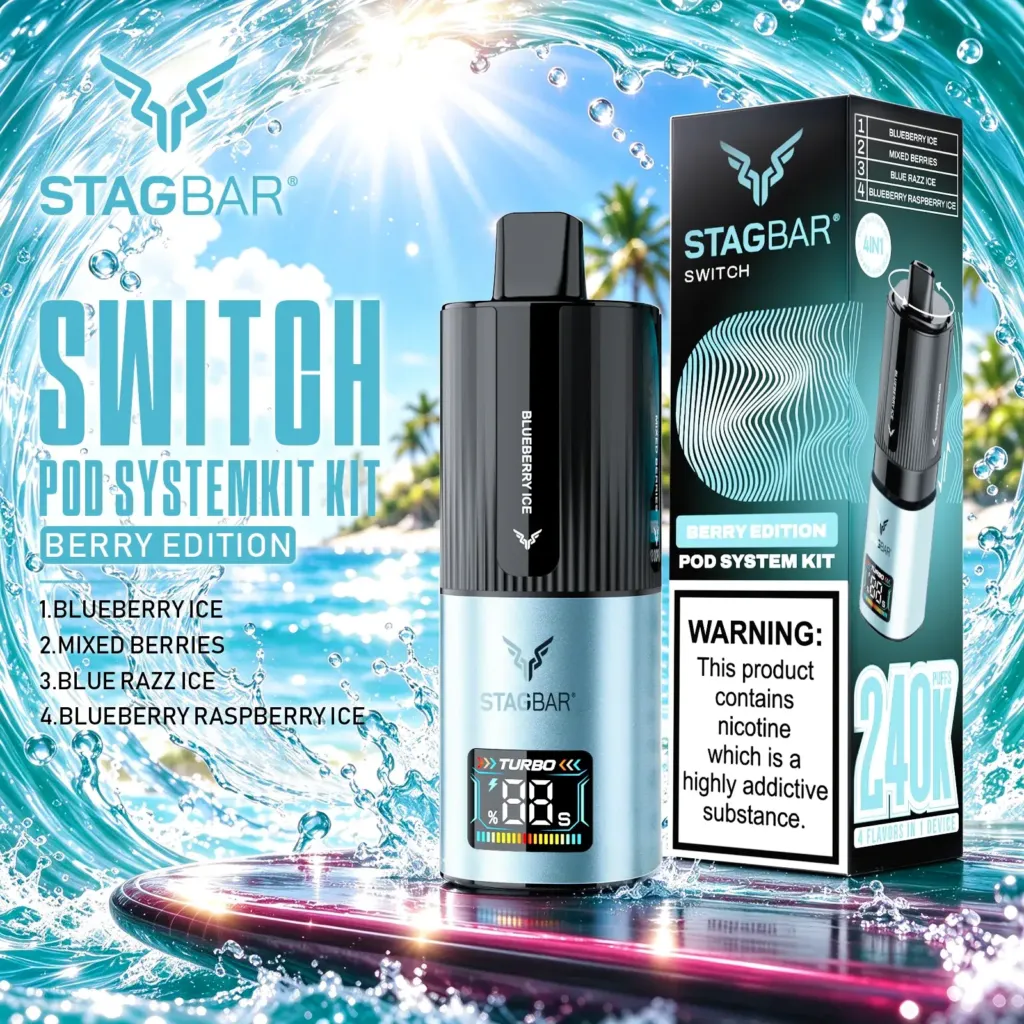
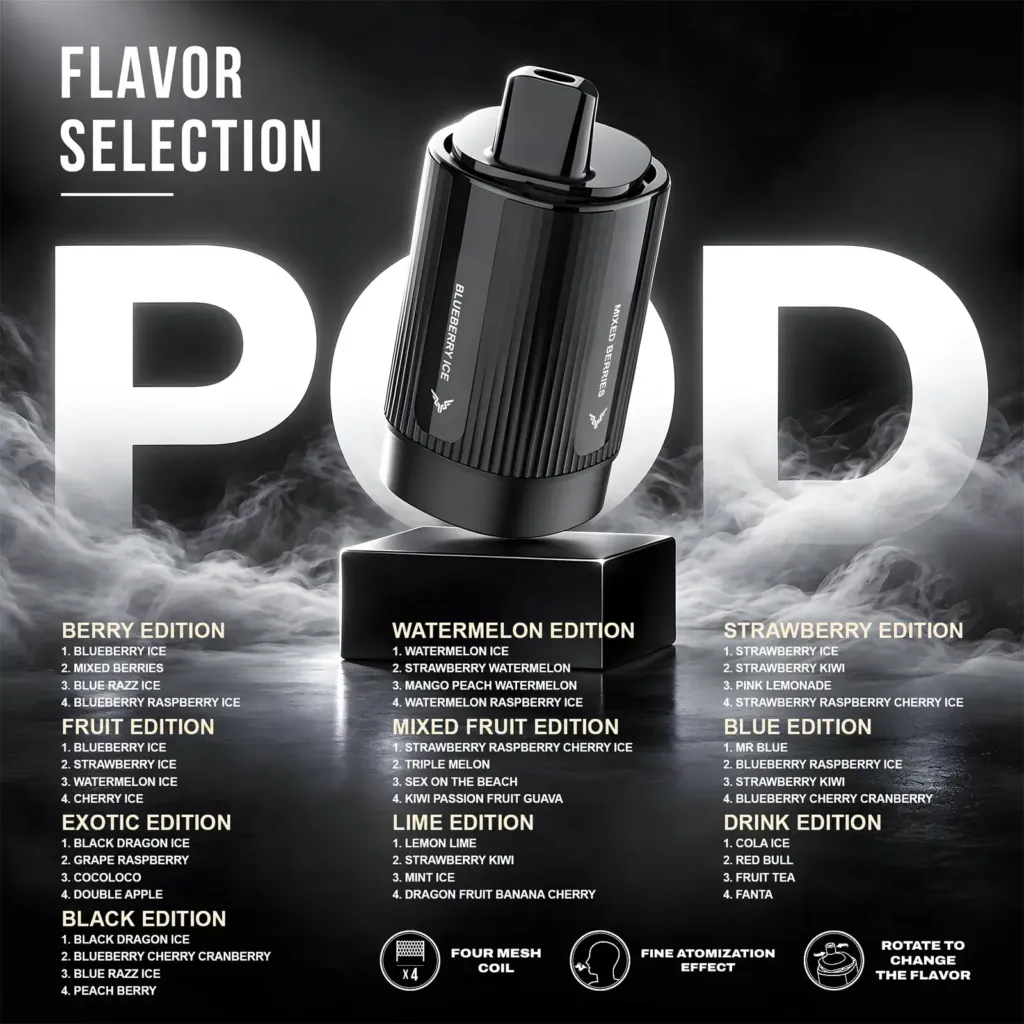
Next step: use the Stag Bar Switch 240K as a reference for a multi-flavour platform, then ask the trade desk which elements can be adapted for an own-brand project.
Related reading: Vape packaging and labelling checklist and MOQ and carton test plan.
Sources and review
Prepared by the VapeEazy Trade Desk for B2B buyers. This is commercial guidance, not legal advice.
- European Commission — Tobacco Products Directive
- WHO — Tobacco fact sheet
- Your Europe — VAT rules and rates
Reviewed by the VapeEazy Trade Desk. Read our editorial policy. Last reviewed: 18 November 2026.
Keep the buying sheet and the next review date with the order file so the decision is easy to repeat.
Sourcing from this article?
Ask the trade desk.
Send the product or brand list and destination market — we will confirm stock, MOQ and route.
Request a quote