A practical vape shop loyalty programme guide: mechanics, rewards, data, staff script and measurement.
Raspuns rapid:a vape shop loyalty programme should reward repeat purchase and product education, not only spend. Keep it simple: a points rule, a clear redemption path and a reason to return. A programme that gives a discount on every visit trains the customer to wait for the discount.
This guide is for independent vape retailers in Europe. It covers the programme design, the data, the compliance points and a small-shop rollout.
1. Decide what you want to change
Choose one behaviour: more frequent visits, a wider category trial or a higher basket. A programme that tries to reward all three becomes complicated. For a vape shop, the most useful behaviour is usually the **second purchase within the normal replenishment cycle**.
Define the metric before the reward. If the goal is a second visit, a welcome reward for the first purchase does not measure it.
2. Keep the mechanics simple
A points scheme is easy to explain: one point per euro, 100 points for a reward. A stamp card is even simpler. A tiered scheme can work for a larger shop, but it needs a clear threshold and a visible benefit.
Do not require an app for a single shop. A phone number, a paper card or a simple POS loyalty field is enough to start. The customer should not have to download an app to get a small reward.
3. Reward the right products
Use the reward to move a customer from one category to another: a disposable buyer tries a pod, or a pod buyer tries an e-liquid. A discount on the same product only reduces the margin.
Keep the reward value modest. A free low-cost accessory or a small credit is enough to create a return visit without destroying the basket margin.
4. Data and consent
Collect only the data you will use: a phone number or email, the purchase date and the reward status. Ask for consent for marketing messages separately. Do not add every loyalty member to a newsletter without permission.
Keep the data in one place. A paper card that cannot be linked to a purchase is a discount card, not a loyalty programme.
5. Staff script
Train staff to explain the programme in one sentence: “You collect one point per euro; at 100 points you can choose a reward.” Do not launch a complex scheme without a script. If the staff cannot explain it, the customer will not use it.
6. Measure and stop
Measure the second-visit rate, the redemption rate and the margin after the reward. If the programme produces redemptions but no repeat visits, the reward is too easy or irrelevant. If it produces no redemptions, the threshold is too high.
Review after eight weeks. Keep it if it changes the behaviour; remove it if it only discounts the same customers.
Tiers without complexity
If the shop uses tiers, keep three at most and make the benefit obvious: free delivery, a birthday reward or early access to a new flavour. A tier that only gives a higher discount encourages the customer to wait for the next tier.
Show the progress in the shop or on the receipt. A customer who cannot see how close they are to the reward is less likely to return.
Referral and privacy
A referral reward can bring a new customer at a lower cost than paid advertising. Keep the reward simple and track the referred customer’s first purchase. Do not reward a referral without a real purchase.
Collect the minimum data and explain how it is used. A loyalty programme that asks for too much information at the counter creates friction and a privacy obligation the shop may not need.
Rollout and staff ownership
Choose one person to own the programme. That person updates the reward, checks the data and trains the team. A programme with no owner becomes a forgotten sign at the counter.
Launch with a simple sign, a receipt message and a staff script. Explain the reward in one sentence and show the customer how to check the balance. Do not require an app for a small shop.
Review the margin after the first month. If the reward is claimed on every visit, the value is too easy; if nobody claims it, the threshold is too high. Adjust one variable at a time.
Stop the programme if it does not change repeat visits. A loyalty scheme should earn its place, not become another discount channel.
Practical checklist
Choose one behaviour to reward and write the rule in one sentence. Pick a reward that introduces a second category or a return visit. Train the staff to explain it without a script.
Track members, second visits, redemptions and margin. Review after eight weeks. If the programme is not changing behaviour, change the reward or stop it.
Keep the data small and secure. Ask for consent before sending marketing messages. A loyalty programme should build trust, not create a privacy problem.
- One behaviour chosen.
- Rule explained in one sentence.
- Eight-week review set.
- Consent recorded.
Common mistakes
The first mistake is launching a programme without a staff script. The second is rewarding every visit with a discount, which trains the customer to wait for the discount. The third is collecting data without a clear use or consent.
Choose one behaviour, reward it simply and review after eight weeks. A small programme that changes repeat visits is better than a complex scheme nobody understands.
Check the programme from the customer’s side: can they see the balance, understand the reward and use it without asking staff? If the answer is not immediate, simplify the mechanics before adding more members.
Finally, ask a few members why they returned. The answer may be the reward, the staff or a product they cannot buy elsewhere. A short conversation is often more useful than another dashboard.
Keep the member data in one place so the staff can check a balance without searching through paper cards.
Keep the reward simple enough that a new staff member can explain it on their first shift.
FAQ
Is a loyalty programme worth it for a small shop?
Yes, if it is simple and tied to a specific behaviour. A complicated app is not necessary.
Should I offer a discount or a free product?
A free low-cost product or a category trial is usually better for margin and discovery than a blanket discount.
How do I measure it?
Track second visits, redemptions and margin per member. Compare members with a control group if possible.
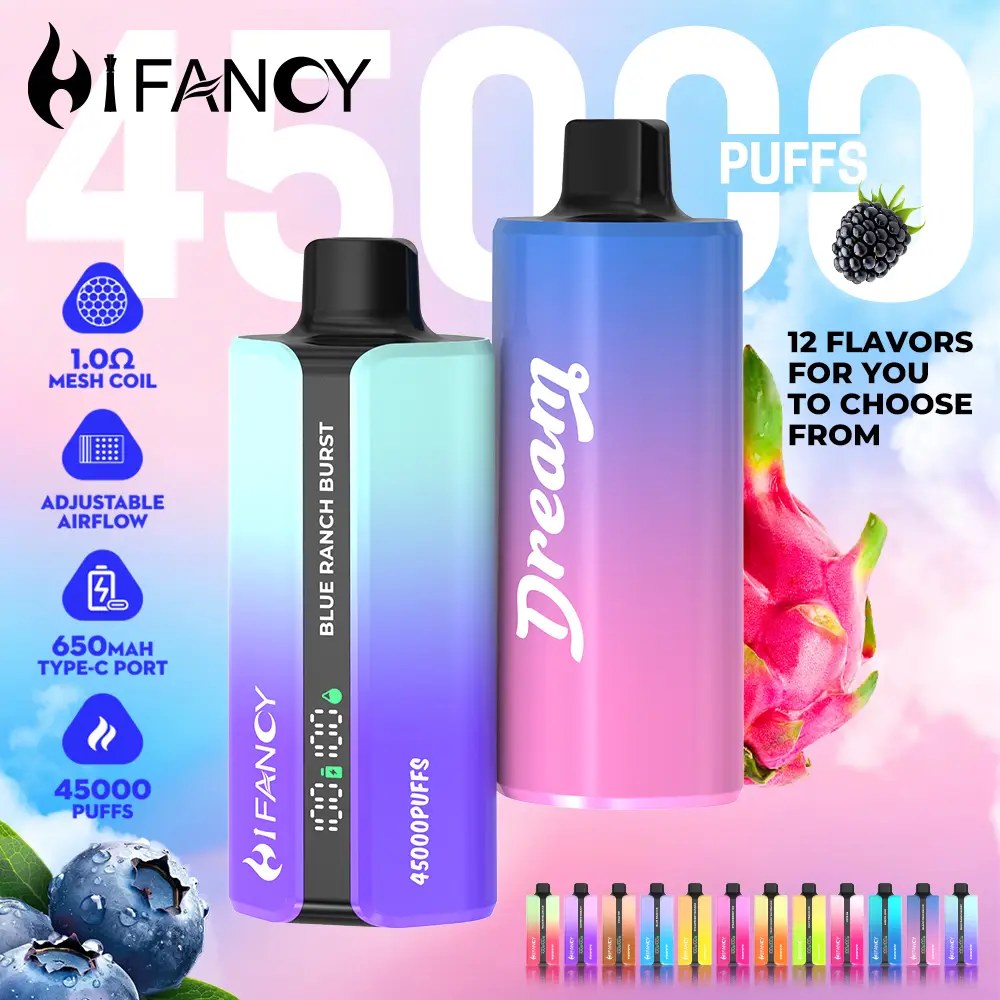
Next step:test a four-week stamp card around theHifancy Dream 45Kand reward a second visit with a small accessory, not a discount on the same device.
Related reading: Vape shop local marketingşiVape shop replenishment guide.
Sources and review
Prepared by the VapeEazy Trade Desk for retailers. Loyalty and data rules vary by market; check local consent requirements.
- WHO — Tobacco fact sheet
- NHS — Using e-cigarettes to stop smoking
- European Commission — Tobacco Products Directive
Reviewed by the VapeEazy Trade Desk.Read oureditorial policy. Last reviewed: 18 November 2026.
Keep the buying sheet and the next review date with the order file so the decision is easy to repeat.
Surse din acest articol?
Întrebați biroul de comerț.
Trimiteți lista de produse sau mărci și piața de destinație - vom confirma stocul, MOQ și ruta.
Solicitați o cotație