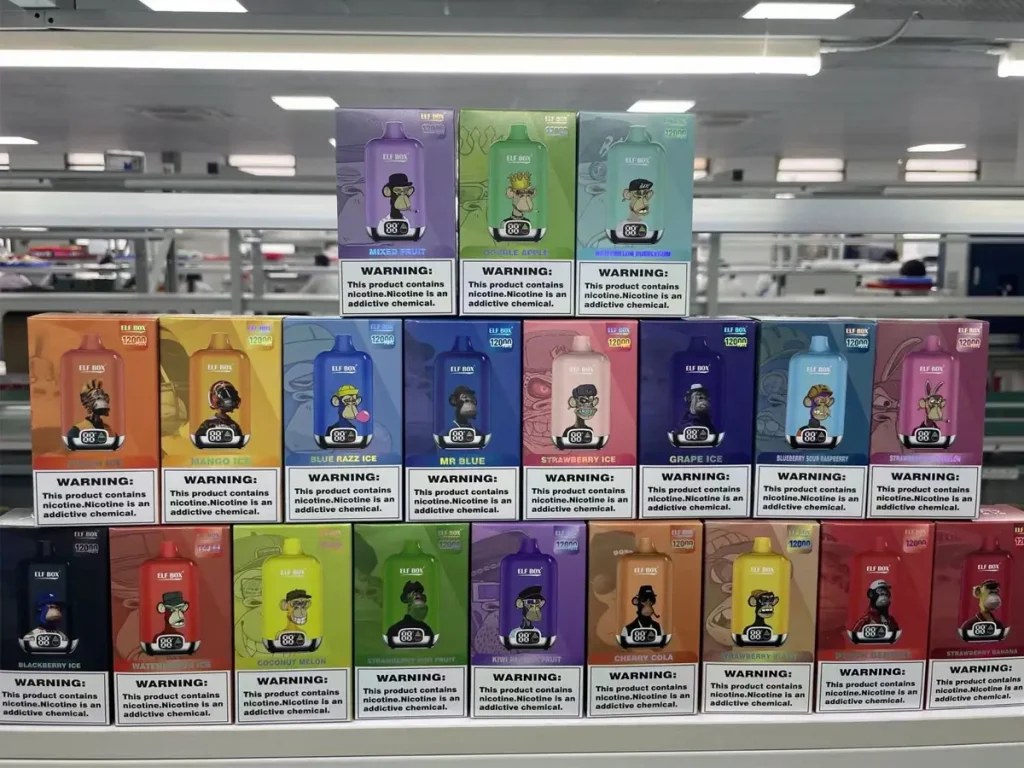
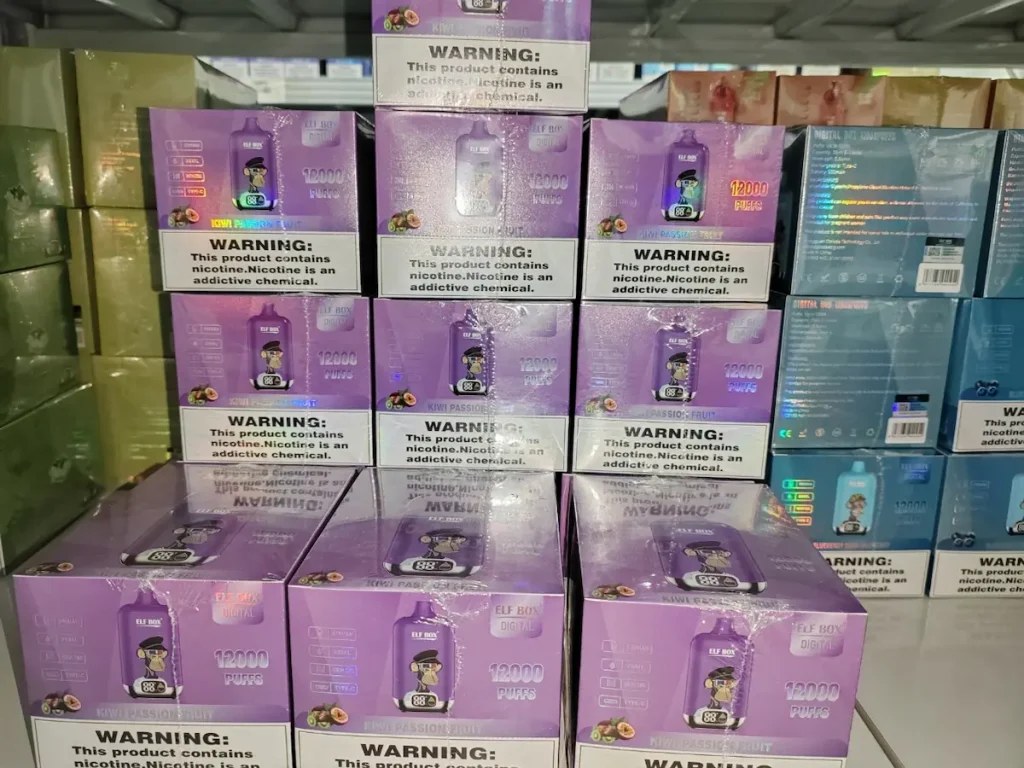
Most independent vape shops do not need 300 SKUs. A practical 2026 model for SKU count, puff classes, flavour depth, price bands and replenishment.
Quick answer: Most independent European vape shops do not need 300 SKUs. A practical starting range for a single-door specialist shop is usually 40–70 active vape SKUs: 20–30 disposables across three puff classes, 10–15 pod or replacement items, 10–15 e-liquids and a small accessory range. A multi-door retailer or a distributor needs a different model — usually 120–250 SKUs — because it is buying for several store profiles and a wider customer mix.
Those numbers are a planning range, not a rule. The right SKU count depends on footfall, average basket, cash available, shelf space and how quickly you can replenish. The goal is not “more choice”; it is a range where every SKU earns its place and the slow movers do not eat the margin of the fast ones.
Why SKU count matters more in 2026
The vape market has become crowded at every puff class. A 20K device is no longer a novelty, 60K is mainstream in many shops, and 180K–300K devices sit at the top of the display. At the same time, compliance work, labelling, flavour splits and minimum order quantities make every additional SKU more expensive to carry than it looked on the price list.
Every SKU creates four costs:
- Cash tied up in stock
- Space on the shelf or in the display
- Admin for the product file, labelling and reorder
- Attention that could go to the products that actually sell
A shop with 200 active SKUs and 30 that sell every week is not a “wide range”. It is a storage problem with a shop attached.
A simple SKU model by store type
| Store profile | Active vape SKUs | Disposable split | Notes |
|---|---|---|---|
| Single-door specialist, 30–60 m² | 40–70 | 20–30 | Three puff classes, two or three price bands |
| Single-door convenience / hybrid | 20–35 | 12–20 | Focus on repeat, low-complexity lines |
| Two to five doors | 80–140 | 35–60 | Shared core, store-specific top-ups |
| Regional distributor / wholesaler | 150–300+ | 60–120 | Range breadth for retail partners, not one shop |
These are starting points. A tourist-heavy shop may need more 20K–60K variety; a shisha-led shop may need more 100K+ formats; a pod-led shop may need fewer disposables and more coils, pods and e-liquids.
1. Build the disposable range by puff class, not by brand
A useful disposable range has three jobs:
- Entry / repeat: 10K–25K devices for price-sensitive and first-time buyers.
- Core / volume: 30K–60K devices where the average customer settles.
- Hero / differentiation: 100K–300K devices that create a reason to visit and a higher basket.
A 20/50/30 split by SKU count is a common starting point, but the split should follow sales, not symmetry. If 60K devices are 55% of your disposable revenue, they deserve more than a third of the shelf.
Do not stock five brands at the same puff count and call it variety. The customer sees “another 20K bar”. Choose one or two formats per class, then use flavour and price to create the choice.
2. Flavour depth: six core flavours, then test
For a single shop, six to ten flavours per core device is usually enough. More than that and the replenishment becomes a puzzle. A practical core:
- Two berry profiles
- One cooling / mint profile
- One grape or grape-mint
- One tropical / mango profile
- One apple or shisha-style profile
Test one or two limited flavours per month. If a new flavour does not reach a reasonable sell-through in two to three weeks, do not reorder it just because the supplier still lists it.
3. Price bands: three is enough
Most shops can cover the market with three price bands:
- Good: the entry price customers compare first
- Better: the volume band where most sales happen
- Premium / hero: a higher-puff or multi-flavour device
Too many bands confuse the customer and make staff explanations harder. If two SKUs sit within a few percent of each other on price and specification, one of them is probably redundant.
4. Pods and e-liquids need their own logic
A disposable-only shop is fragile. A small refillable range gives regular customers a reason to return and reduces dependence on one product type. For a pod line, stock:
- One or two device formats
- Replacement pods in the top three flavours
- Coils or cartridges where applicable
For e-liquids, start with a narrow range across nicotine strength and flavour family. Do not mirror a distributor’s 100-SKU catalogue in a 30 m² shop.
5. MOQ and cash flow
MOQ is the hidden SKU cost. A 10-unit MOQ looks small, but ten units across twenty SKUs is 200 units of cash. Before adding a SKU, calculate:
Cash per SKU = MOQ × landed unit cost
Then compare that with the expected weekly sell-through. If a SKU takes longer than the supplier’s reorder lead time to sell through, it is probably too slow for your shelf.
6. Replenishment: the 80/20 rule in practice
Review sales weekly, not monthly. A simple rule:
- Top 20% of SKUs: keep at least two weeks of cover and reorder before the buffer runs out.
- Middle 60%: reorder only when stock reaches one week of cover.
- Bottom 20%: stop reordering; let the stock sell down and replace the slot with a test.
This is not a reason to delist a new product too early. Give a new SKU a fair test — usually two to three weeks — then judge it on sell-through, not on how good it looked in the catalogue.
7. Compliance is part of the assortment decision
Every SKU you stock needs a product file, labelling that matches the market and a clear route for notification where required. The EU Tobacco Products Directive sets the framework for nicotine-containing e-cigarettes and refill containers, including notification and labelling; the exact requirements and enforcement differ by member state.
Before adding a SKU, ask:
- Is the product already notified or covered in the target market?
- Does the packaging and label match the local language and warnings?
- Is the batch traceable?
- Do we have the technical and battery documents the importer may need?
A product that sells well but cannot be documented is not a good SKU for a European shop.
8. A practical 90-day plan
- Week 1: list every active SKU and its last 90 days of sales. Remove anything with zero sales in the last 60 days.
- Week 2: group the remaining SKUs by puff class, price band and flavour family.
- Week 3: set a target range — for example 50 active SKUs for a single shop.
- Week 4: choose two core devices per class and six core flavours per device.
- Month 2: test two or three new SKUs, one per class. Do not add a new SKU without removing or pausing one.
- Month 3: review sell-through, margin and stock cover; keep the winners and repeat the test cycle.
FAQ
How many disposable vape SKUs should a new shop start with?
For a single-door specialist, 20–30 disposable SKUs is a reasonable start: three puff classes, two or three price bands and six to ten flavours per core device.
Is it better to stock more brands or more flavours?
More flavours within a small number of proven formats is usually better than one flavour across many brands. Customers return for a flavour they liked, not for a logo they cannot remember.
How often should a shop review its range?
Weekly for stock cover, monthly for sell-through and quarterly for the overall assortment. A full range review every 90 days is a practical rhythm for an independent shop.
VapeEazy supplies B2B buyers across Europe. This guide is a commercial planning framework, not legal advice. Check the current EU and national rules for your market before listing a product.
Sources and further reading: European Commission — Tobacco Products Regulation · VapeEazy — 20K, 60K, 100K or 500K puffs · VapeEazy — How to read a wholesale price list · SnagVape — Rechargeable wholesale pricing guide
Related: Wholesale catalogue · All brands · Request a quote
Sourcing from this article?
Ask the trade desk.
Send the product or brand list and destination market — we will confirm stock, MOQ and route.
Request a quote