How to design a B2B vape sample kit that produces feedback and a reorder, not just a desk ornament.
Quick answer: a B2B sample kit should help a buyer test the product and place a reorder, not only look impressive. Include one device, a one-page spec sheet, the carton/MOQ note and a QR code to the product page. Keep it small enough to carry and clear enough to use without a salesperson.
This guide is for vape brands and distributors preparing samples for trade shows, distributor visits and retail buyers in 2026.
1. Decide the purpose
Choose one: a new-SKU test, a range introduction or a distributor evaluation. The kit changes with the purpose. A new-SKU kit has one product and a comparison card; a range kit has three products and a range map; a distributor kit adds commercial terms and territory information.
Do not send the full catalogue in one box. The buyer cannot test 30 products, and the kit becomes expensive without a clear next step.
2. What goes in the box
- One sealed product sample.
- One-page specification and flavour list.
- MOQ, carton and lead-time card.
- QR code to the product page or quote form.
- Contact card with the trade desk details.
Add a short “what to check” card: draw, flavour, charging, packaging and batch. A tester who knows what to look for gives better feedback.
3. Packaging
Use a simple box or mailer that protects the product. A branded box is useful for a distributor meeting; a plain mailer is enough for a sample test. Do not spend more on the kit than on the product without a reason.
Include the batch and the date on the outside label. A sample that cannot be traced back to a batch is difficult to follow up.
4. The follow-up
Send the kit with a follow-up date. After three to five working days, ask two questions: what did the buyer test, and what would they order? Do not ask “any feedback?”; ask about the specific product.
If the buyer does not respond, send one short reminder with the quote link. Then stop. A sample without a follow-up is a cost; a sample with a clear next step is a sales tool.
5. Cost and selection
| Kit | Contents | Use |
|---|---|---|
| Single SKU | 1 device + card | New product test |
| Range | 3 devices + range map | Category review |
| Distributor | 3 devices + terms | Territory discussion |
Track the cost per kit against the quotes and orders it produces. A kit that costs €20 and produces no quote is more expensive than a €40 kit that produces a first order.
Qualification and cost
Ask three questions before sending a kit: what does the buyer sell today, what volume can they commit and who will test the product? A kit sent without a qualification is a gift. A kit sent after a short call is a sales tool.
Track the cost per kit against the quotes and orders it produces. Include the product, packaging, shipping and the time spent on follow-up.
Trade show and mail use
For a trade show, use a smaller kit and a QR code; the buyer has to carry it. For a mail kit, add a return label or a clear follow-up date. Do not hand out loose devices without a label or a contact card.
Review the kit after each event. Remove the item nobody used and add the question buyers kept asking.
Feedback and reorder
Ask the tester to score the draw, flavour, charging and packaging on a simple 1–5 card. The score is more useful than a general comment. Follow up with a quote for the carton the buyer would actually order.
If the buyer does not reorder, ask one question: was the product wrong or the timing wrong? A sample that produces a clear “not now” is still useful; it prevents a wasted carton.
Keep the kit contents and the result in one record so the next sample is easier to design.
Quick audit
Check the kit has one product, one spec card and one next step. Confirm the follow-up date before the kit is sent. A sample without a follow-up is a cost, not a campaign.
- One product selected.
- Spec and MOQ card included.
- QR/contact included.
- Follow-up date set.
FAQ
Should the sample be free?
It depends on the buyer and the product. A paid sample can qualify the buyer; a free sample is a marketing cost. Decide the rule before the event.
How many products should a kit include?
One for a new SKU, three for a range. More products dilute the test.
What is the best follow-up timing?
Three to five working days after delivery, with one reminder. Ask about the specific product, not a generic feedback question.
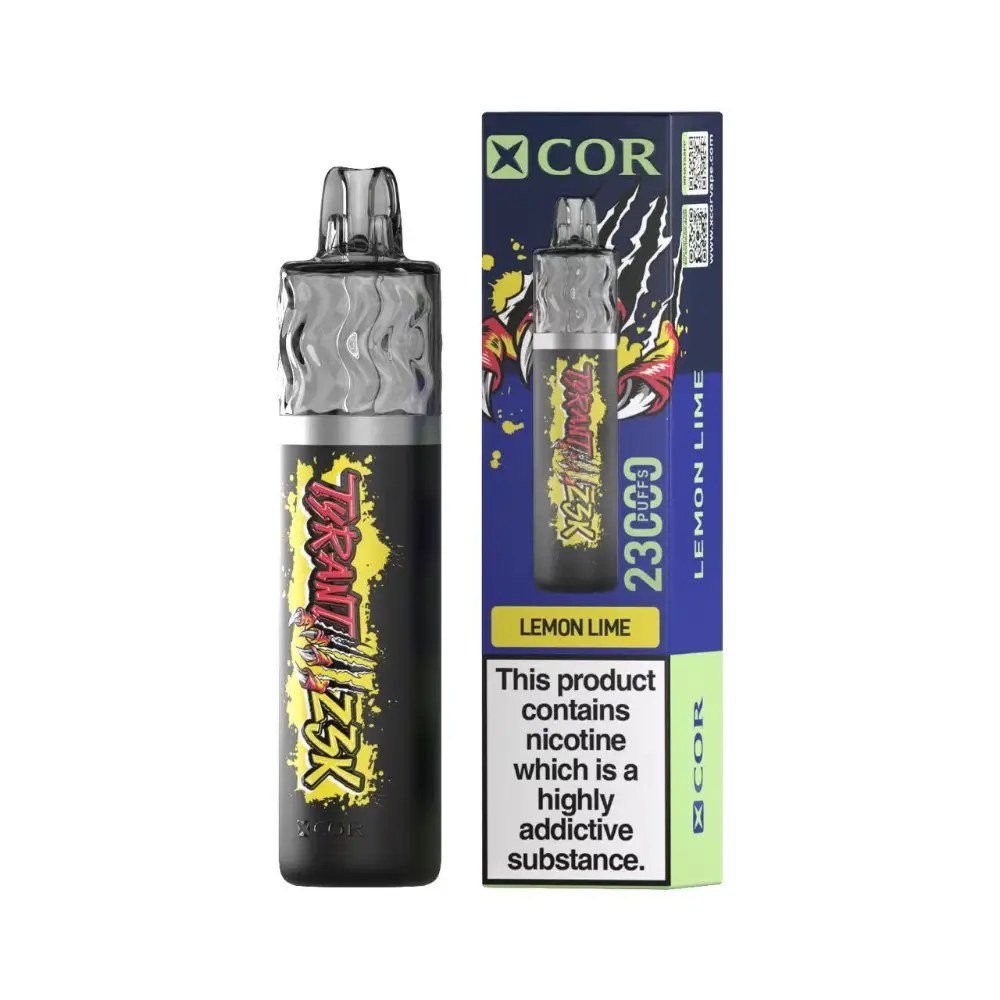
Next step: build a single-SKU kit around the Xcor Max 50K and test it with one distributor before the next trade event.
Related reading: Trade show and distributor marketing and Paid vape samples.
Sources and review
Prepared by the VapeEazy Trade Desk for B2B brands. Sample and shipping rules vary by market.
- WHO — Tobacco fact sheet
- Your Europe — VAT rules and rates
- European Commission — Tobacco Products Directive
Reviewed by the VapeEazy Trade Desk. Read our editorial policy. Last reviewed: 19 November 2026.
Sourcing from this article?
Ask the trade desk.
Send the product or brand list and destination market — we will confirm stock, MOQ and route.
Request a quote