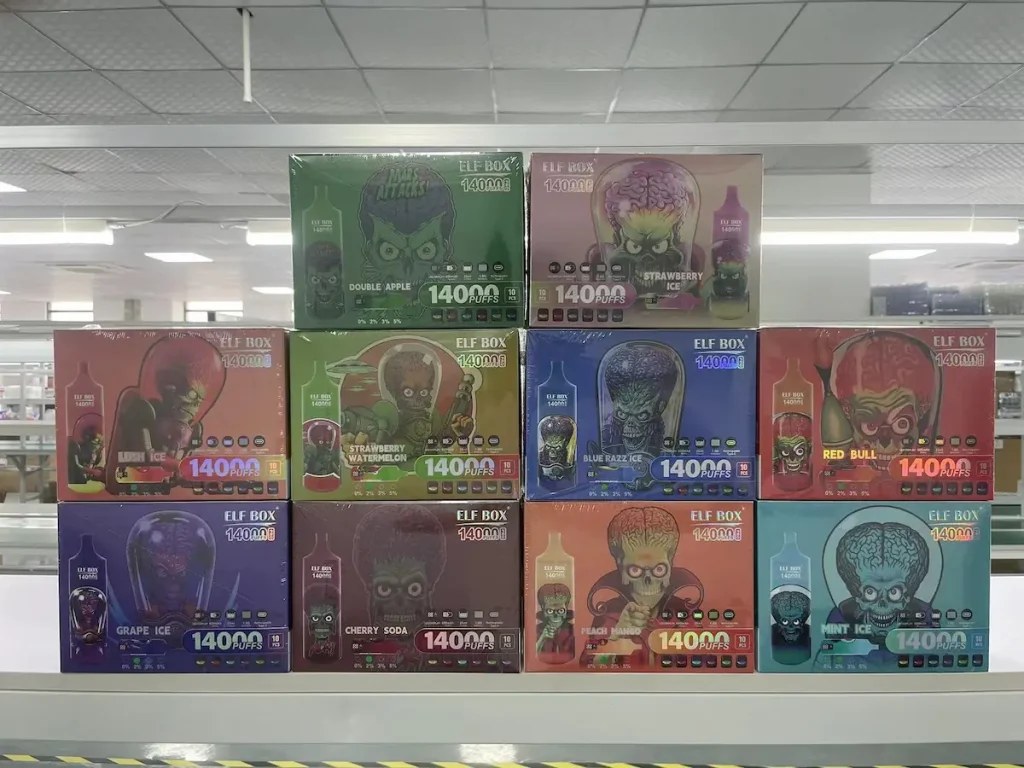
A five-part supplier scorecard for vape wholesale: quality, delivery, documents, commercial terms and after-sales.
Quick answer: a supplier scorecard turns a vague “good supplier” feeling into five measurable areas: product quality, delivery reliability, documentation, commercial terms and after-sales. Score each area monthly, review the result with the supplier and use it to decide the next order.
This guide is for vape wholesalers and distributors managing several suppliers in Europe. It is a practical procurement tool, not a legal audit.

1. Choose the criteria
Use five areas with a simple 1–5 score:
- Product quality and batch consistency.
- On-time delivery and carton accuracy.
- Documentation and label support.
- Price, MOQ and payment terms.
- After-sales response and defect handling.
A scorecard with 40 criteria is not used. Five areas and one comment per area are enough to start.
2. Define the evidence
For quality, use the defect rate and the claims by batch. For delivery, use the promised date versus the actual date. For documentation, check whether the invoice, packing list, label proof and batch record arrive without a follow-up. For commercial terms, compare the landed cost and the payment terms. For after-sales, measure the response time and the resolution time.
| Area | Evidence |
|---|---|
| Quality | Defect rate / batch |
| Delivery | On-time % |
| Documents | Complete on first request |
| Commercial | Landed cost and terms |
| After-sales | Response and resolution time |
3. Score monthly
Score at the end of each month, not after every order. Use the same data source and the same definitions. A supplier with a good month after a bad quarter is not automatically a good supplier; look at the trend.
Add one line for a material event: a new batch issue, a missed shipment or a price change. The line explains the score without rewriting the whole report.

4. Review with the supplier
Send the scorecard before the review call. Ask the supplier to correct any factual error and to explain a low score. The goal is a better next order, not a blame meeting.
Agree one improvement action and a review date. A scorecard that produces ten actions is as useless as one that produces none.
5. Use the result
Use the score to allocate the next order: a high score can earn a larger trial, a lower score stays at the current volume, and a repeated low score triggers a backup supplier. Do not publish the score publicly; it is an internal tool.
Keep the scorecard for at least four quarters. The trend is more useful than a single month.
Weighting and evidence
Weight quality and delivery higher than price for a core supplier. A late shipment or a batch issue costs more than a small unit-price difference. Use the same weights for every supplier so the comparison is fair.
Keep the evidence with the score: the delivery date, the claim reference, the document request and the quote. A score without evidence becomes an opinion. Review the evidence with the supplier before the score is final.
From score to order
Use a simple rule: a high score can earn a larger trial, a stable score keeps the current volume and a low score requires a backup supplier. A repeated low score should trigger a meeting, not an immediate exit.
Review the scorecard quarterly with the supplier and keep the actions short. One improvement per quarter is more likely to happen than ten.
Keeping the score fair
Score the supplier on the evidence, not on the last conversation. If a delivery was late because the buyer changed the order, record the cause. If a defect claim was rejected because the unit was damaged after delivery, record that too.
Give the supplier a chance to correct the data before the review. A scorecard that feels arbitrary will not be used. A factual scorecard makes the next negotiation easier.
Keep the same five criteria for at least two quarters. Changing the criteria every month makes the trend meaningless.
Quick audit
Check that every score has an evidence line and that the same criteria are used for every supplier. A score without evidence is not a comparison.
- Five criteria fixed.
- Evidence attached.
- Supplier review booked.
- One action agreed.
FAQ
How many suppliers should I score?
Start with the suppliers that represent most of the spend. Add the rest when the routine is stable.
What is a good score?
There is no universal number. Compare suppliers against each other and against their own previous quarter.
Should price have the highest weight?
No. A low price with poor delivery or documentation can cost more in the end.
Next step: score the supplier of the Xcor Max 50K on quality, delivery, documents, commercial terms and after-sales for one month, then review the result before the next order.
Related reading: Returns and credit policy and EU warehouse vs China direct.
Sources and review
Prepared by the VapeEazy Trade Desk for B2B buyers. This is commercial guidance, not a legal audit.
- WHO — Tobacco fact sheet
- Your Europe — VAT rules and rates
- European Commission — Tobacco Products Directive
Reviewed by the VapeEazy Trade Desk. Read our editorial policy. Last reviewed: 19 November 2026.
Sourcing from this article?
Ask the trade desk.
Send the product or brand list and destination market — we will confirm stock, MOQ and route.
Request a quote