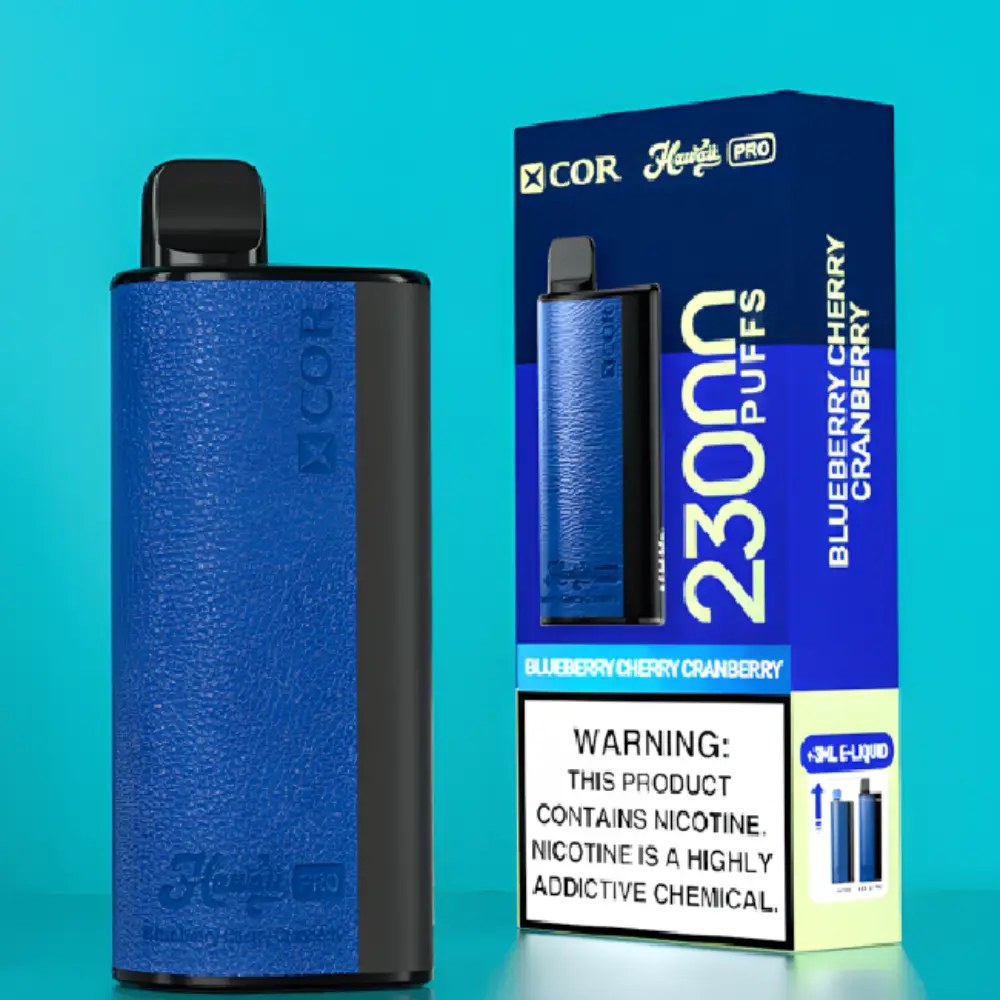
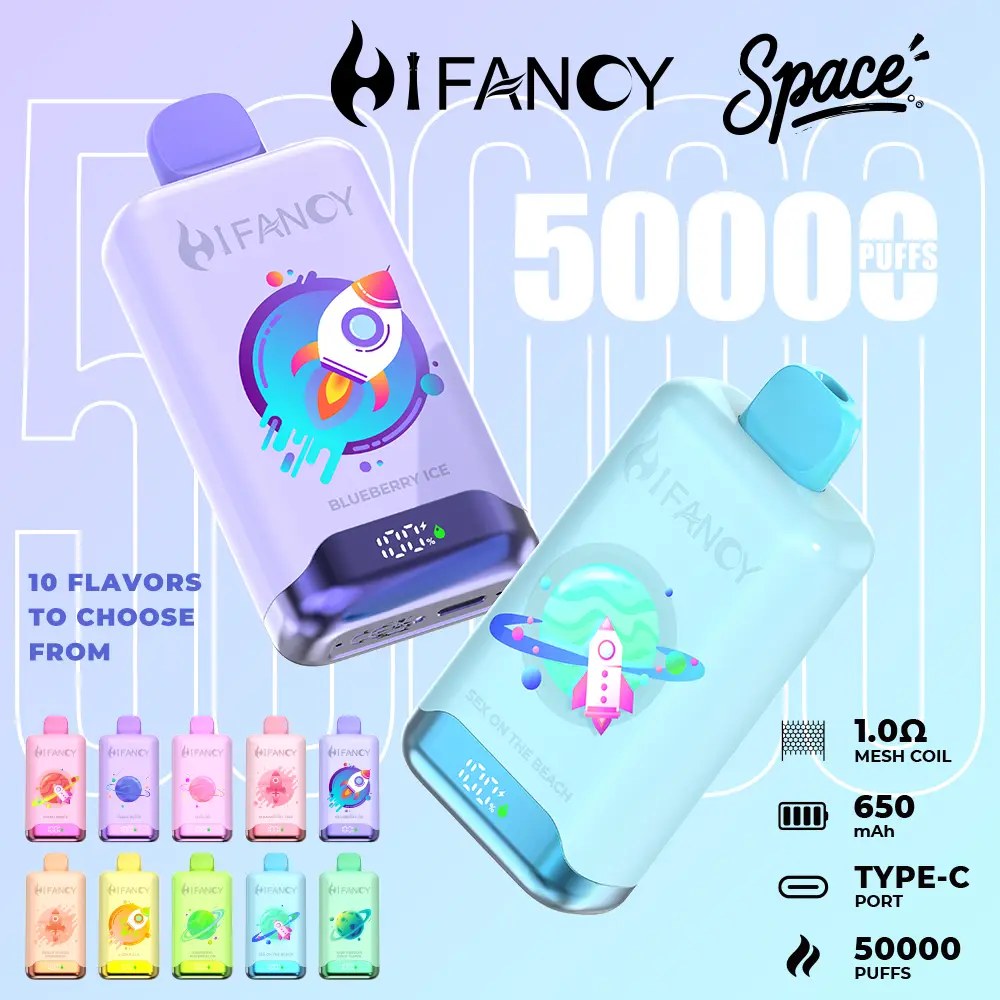
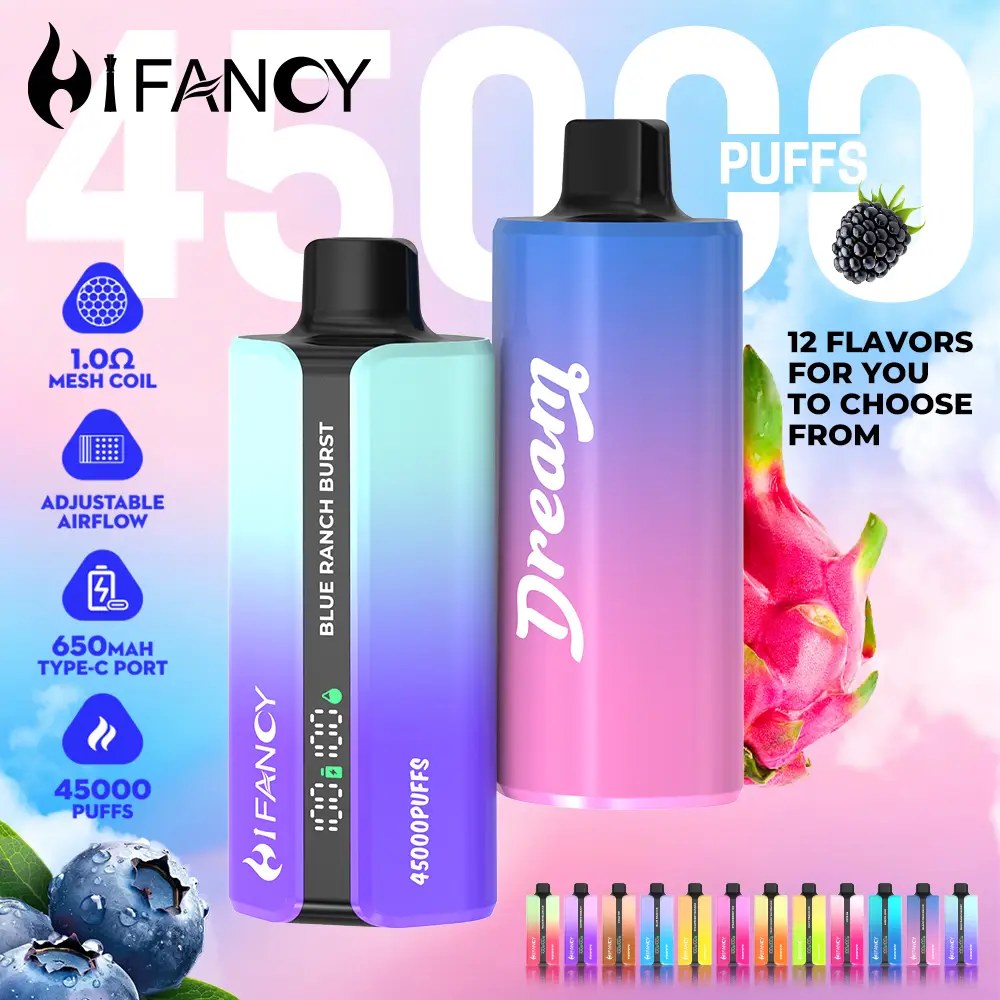
Compare the Hifancy Dream 45K, Space 50K and Super 70K by reservoir, features, price and shelf role.
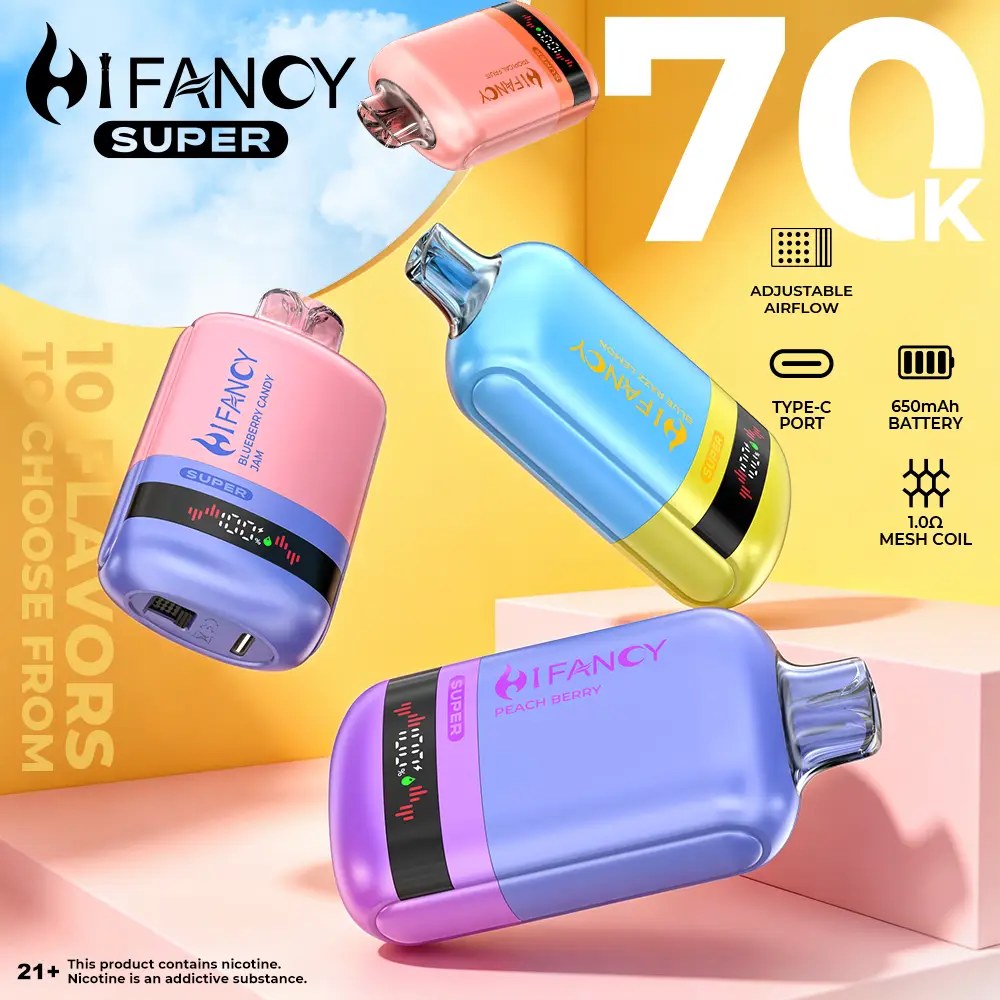
Quick answer: the Hifancy range has three clear steps: Dream 45K at 39 ml, Space 50K at 42 ml and Super 70K at 46 ml. The Dream is the compact entry, the Space is the mid step with a larger reservoir and the Super adds capacity plus adjustable airflow. Pick by body size and reservoir, not by the puff number alone.
A brand range is useful only when each model has a different job. Hifancy’s three devices overlap enough that a shop could accidentally stock three near-duplicates. This guide compares the commercial role of the Dream, Space and Super and sets out a compact range plan.
The range at a glance
| Field | Dream 45K | Space 50K | Super 70K |
|---|---|---|---|
| Puff class | 45,000 | 50,000 | 70,000 |
| Capacity | 39 ml | 42 ml | 46 ml |
| Battery | 650 mAh | 650 mAh | 650 mAh |
| Coil | Dual Mesh 1.0Ω | Mesh 1.0Ω | Mesh 1.0Ω |
| Display | Smart screen | Digital screen | Smart screen |
| Airflow | Adjustable | Fixed | Adjustable |
| Nicotine | 5% | 5% | 5% |
| Indicative price | €19.98 | €21.14 | €27.42 |
The table shows the real differences: the Dream has the smallest reservoir but a Dual Mesh coil and adjustable airflow; the Space has a larger reservoir but a fixed airflow; the Super has the largest reservoir, adjustable airflow and the highest price. The battery is the same across all three, so the step is capacity and features, not power.
Dream 45K: the compact entry
The Dream is the smallest body and the lowest price. Its role is to give a customer a step above a 20K–30K device without the size of a 50K–70K model. The Dual Mesh coil and adjustable airflow make it more than a basic entry device.
Stock the Dream for customers who ask for a compact high-puff device or who want a lower entry price. It is also a useful test SKU because the lower capacity turns faster than the Super.
Space 50K: the reservoir step
The Space adds 3 ml over the Dream and moves to a 50K class. Its role is the capacity step: a customer who wants a longer interval than the Dream but does not need the Super’s 46 ml reservoir or adjustable airflow.
The Space is the simplest of the three in feature terms. That can be an advantage for a shop that does not want to explain airflow settings. The fixed airflow keeps the staff script short.
Super 70K: the top step
The Super is the largest and most expensive of the three. It adds 4 ml over the Space, raises the puff class to 70K and includes adjustable airflow. Its role is the top of the Hifancy range for customers who want the longest interval and a configurable draw.
The Super is not the right first SKU for a price-led shop. It is a step-up product for a customer who has already bought a 50K device and wants more capacity or airflow control.
How to build a compact range
A compact Hifancy range can be two SKUs, not three. Pick the Dream as the compact entry and the Super as the top step; the Space sits in the middle and may be redundant if the price gap is small. Alternatively, carry the Space as the volume step and the Super as the premium option, skipping the Dream if the shop already has a 20K–30K compact device.
- Price-led shop: Dream + Space.
- Feature-led shop: Dream + Super.
- Full range: Dream + Space + Super, only if each has a distinct price and customer.
Do not carry all three at full depth. Test one carton each, measure sell-through and reorder the two that move.
Price per 1,000 puffs
At the indicative prices, the Dream is about €0.444 per 1,000 puffs, the Space about €0.423 and the Super about €0.392. The Super is the lowest cost per 1,000 puffs of the three because the larger capacity spreads the unit cost. That does not automatically make it the best seller; the retail price and the customer’s size preference decide.
Flavour range and carton planning
All three models use a similar flavour structure. Do not duplicate every flavour across all three SKUs. Pick the flavours that sell in the shop, assign them to the model that fits the customer and keep the carton split visible. A narrow range is easier to train and reorder than a full matrix.
Test-order sequence
Start with one carton of the Dream and one carton of the Super. The Dream gives the compact entry; the Super gives the top step. If the shop has space and a clear middle price, add the Space after the first reorder. This sequence avoids committing to three similar SKUs at once.
Track sell-through by model and by flavour, not by brand total. If the Dream does not move, the shop may already have a compact entry product; if the Super does not move, the local customer may not support the higher price. The data should decide whether the Space is needed.
Order the same nicotine variant and the same carton quantity across the test so the comparison is fair. A test built on different packs tells the buyer very little about the model.
Common range mistakes
The first mistake is treating the three models as a simple puff ladder. The Space and Super have different reservoirs and airflow, and the Dream has a dual mesh coil; the customer needs a reason beyond the number. The second mistake is carrying every flavour across every model. That creates dead stock and a display that is hard to read.
The third mistake is pricing the three models too close together. If the customer cannot see the step, the range becomes a guessing game. The fourth is ignoring the battery: all three list 650 mAh, so the buyer should not promise a longer battery life for the larger model. The difference is capacity and features, not power.
A compact two-model range with a clear price gap is easier to train and reorder than a full three-model wall. Start with the roles, then add the third model only if the data supports it.
If the shop already carries a strong 50K product from another brand, the Space may be the redundant model. In that case, use the Dream and Super as the Hifancy pair and leave the middle step to the existing SKU.
Use the same nicotine variant and carton quantity across the test so the comparison remains fair.
FAQ
Which Hifancy model has the largest reservoir?
The Super 70K, listed at 46 ml. The Space is 42 ml and the Dream is 39 ml.
Which model has adjustable airflow?
The Dream 45K and Super 70K. The Space 50K is listed with fixed airflow.
Which is the cheapest per 1,000 puffs?
At the indicative prices, the Super 70K is the lowest per 1,000 puffs, followed by the Space and the Dream.
Should a shop carry all three?
Only if each model has a distinct price and customer. A two-model range is often easier to manage.
Next step: compare the Hifancy Dream 45K, Space 50K and Super 70K, then ask the trade desk for a range quote.
Related reading: Hifancy Dream 45K review, Hifancy Space 50K review and Hifancy Super 70K review.
Scope and sourcing: Commercial buying guide for trade buyers, not medical or legal advice. Specifications and prices are indicative and confirmed against the current batch and proforma invoice. See our editorial policy.
Sourcing from this article?
Ask the trade desk.
Send the product or brand list and destination market — we will confirm stock, MOQ and route.
Request a quote