A B2B email marketing guide for vape wholesalers: segmentation, five campaigns that work, deliverability, consent and measurement.
Quick answer: B2B vape email marketing works when it is treated as a trade channel, not a consumer newsletter. Send fewer emails, segment by buyer type, lead with stock and margin information, and make every message easy to turn into a quote. The best campaigns are replenishment reminders, new-SKU alerts and market-specific offers.
This guide is for wholesale suppliers and distributors selling to vape shops, convenience stores and online retailers in Europe. It covers the campaigns that produce orders, the data needed to run them and the compliance points to check before sending.
1. Segment the list by buyer type
A vape shop, a convenience chain and an online retailer do not need the same email. Segment at least by:
- Store type: specialist, convenience, online, distributor.
- Order history: first order, repeat, lapsed.
- Market: language, VAT/EPR status, delivery route.
- Range interest: disposables, pod systems, e-liquids, shisha-style.
A smaller, relevant list outperforms a large list that receives the same catalogue blast. If the email platform cannot segment by order history, use a simple tag in the CRM and export a clean list.
2. The five campaigns that work
Replenishment reminder: based on the buyer’s normal reorder interval, not a generic monthly send. Include the last SKUs ordered and a one-click quote link.
New SKU alert: a short specification, one product image, MOQ and a sample/quote route. Do not send a full catalogue with no explanation of why the SKU is new.
Market-specific offer: a relevant product and a delivery window for one market. The same offer should not go to every country with a different VAT or label requirement.
Back-in-stock: a short message for a SKU the buyer previously ordered. This is often the highest-converting B2B email because the intent already exists.
Post-order follow-up: ask about sell-through and offer a reorder before the stock runs out. This is service, not a promotion.
3. The structure of a B2B email
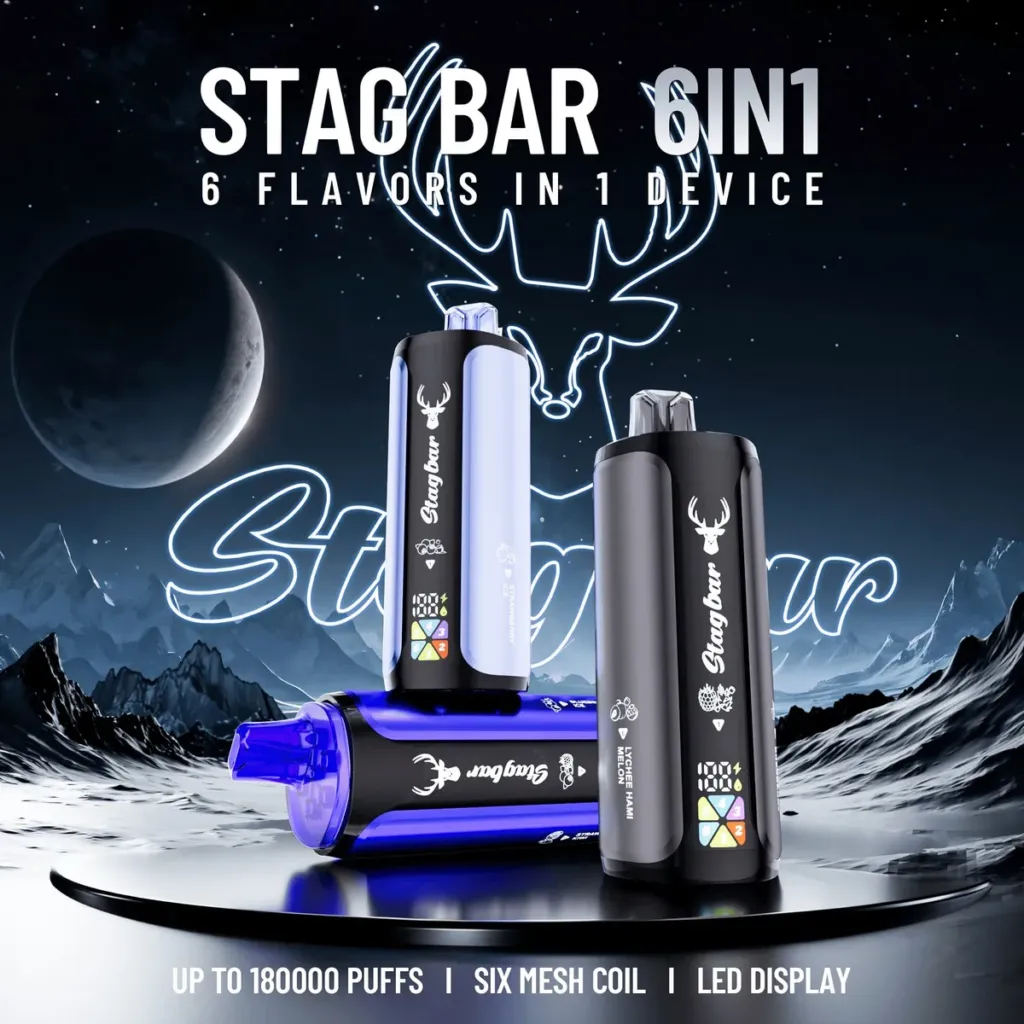
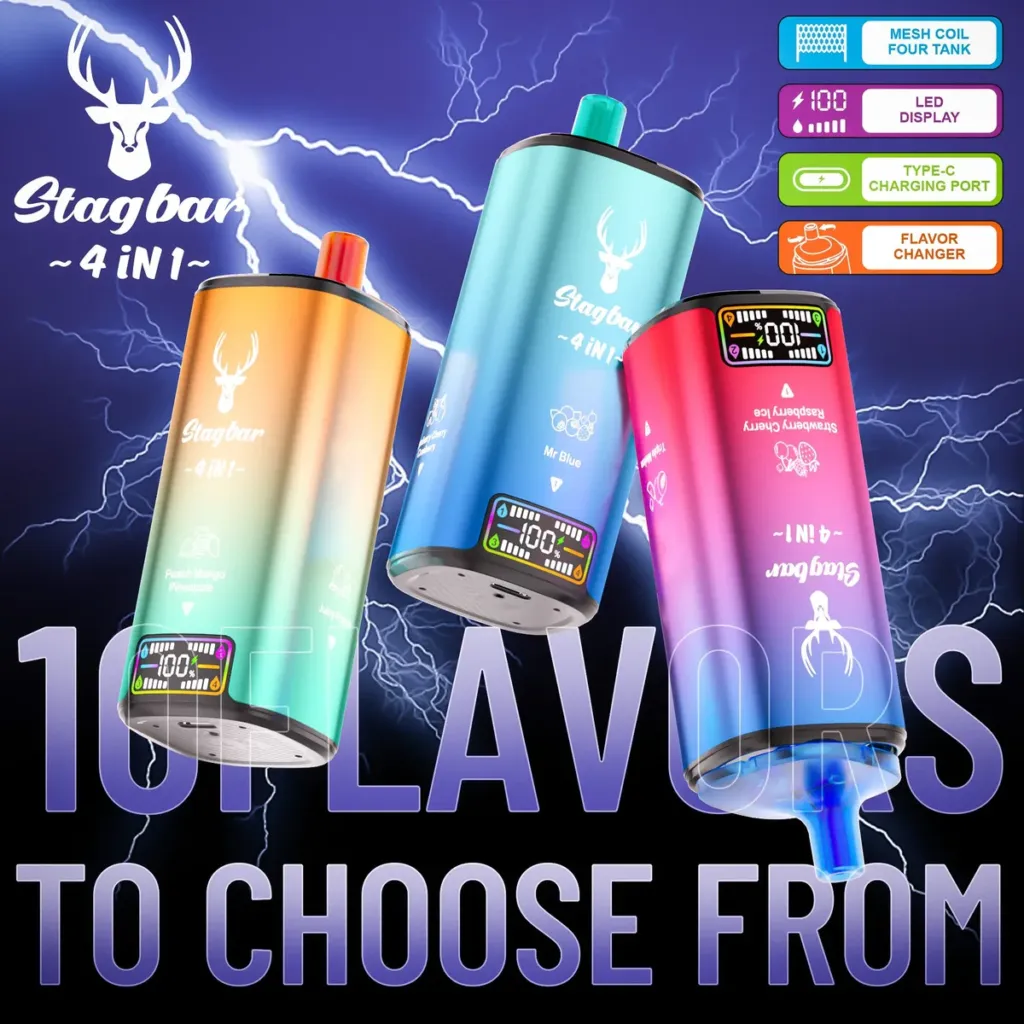
Use a subject line with the product class and the reason: “Stag Bar 180K restocked — EU dispatch this week” is clearer than “Don’t miss our latest offer”. Keep the body short: product, specification, MOQ, delivery and a quote button. Put the detail on the product page, not in the email.
Include the buyer’s language, currency and market where possible. A German buyer should not receive an English-only email with a UK phone number and no EU delivery note.
4. Data and consent
Use a business email list that the recipient expects to receive. Keep the source of consent, the date and the market. Make unsubscribe easy and process it immediately. Do not buy a generic list; it damages deliverability and creates compliance risk.
Check the local rules for B2B email and the platform’s requirements. This is commercial guidance, not legal advice.
5. Measurement
| Metric | What it tells you |
|---|---|
| Quote requests | Whether the email created buying intent |
| Reply rate | Whether the list and message are relevant |
| Reorder rate | Whether the campaign created repeat business |
| Unsubscribe rate | Whether frequency or targeting is wrong |
Open rate is a weak metric in B2B because of privacy features. Focus on quotes, replies and reorders.
6. A simple monthly calendar
- Week 1: replenishment reminder to repeat buyers.
- Week 2: new SKU or back-in-stock alert.
- Week 3: market-specific offer or range guide.
- Week 4: post-order follow-up and feedback request.
Do not send all four to the same segment. Use the calendar to plan, then select the segment that needs the message.
Deliverability and list hygiene
Use a recognised sending domain and authenticate it with SPF, DKIM and DMARC. Send from a person or a trade-desk address, not a no-reply address. A B2B buyer is more likely to reply to a named desk than to a generic marketing mailbox.
Clean the list every quarter: remove hard bounces, unsubscribes and buyers who have not opened or clicked in six months. A smaller engaged list has better deliverability than a large inactive one. Do not send the same message to every segment on the same day.
Example sequence
A simple replenishment sequence has three touches. Day 1: a short reminder with the last SKUs ordered and a quote link. Day 4: a follow-up with one new product that fits the buyer’s range. Day 10: a final note offering help with the order or the next delivery window. Stop after the reply or the order.
For a new SKU, use a separate sequence: announcement, sample/quote offer and a case example from another market. Do not mix the new-SKU sequence with the replenishment reminder; the buyer cannot tell what action is expected.
Track replies and quotes by segment. If one segment never replies, change the offer or remove it from the campaign. Email is a testing channel as much as a sales channel.
Reporting to the sales team
Send a short weekly summary to the sales team: quotes requested, replies, reorders and the segment that responded. Do not report opens as the main outcome. The sales team needs to know which buyer to call, not how many people opened an email.
Use the report to plan the next send. If a campaign produced no quotes, change the subject, the offer or the segment before repeating it.
Keep the email list and the CRM in sync. If a buyer asks to change the contact person, update both systems. A campaign sent to a former employee damages the relationship and the deliverability.
Use a plain-text version and a single clear button. Many B2B buyers read email on a phone between meetings; a complicated template with five links is harder to act on than a short message with one quote link.
Finally, review the subject line and the first sentence. The buyer should know the product, the market and the action within two seconds. If the message needs a long explanation before the offer, rewrite it.
Keep a monthly note of what changed and what the next campaign will test. A small improvement in relevance is worth more than a large increase in send volume.
Keep the list and the product data current; a stale offer is worse than no email.
FAQ
How often should a vape wholesaler email B2B buyers?
Usually one to two relevant emails per month per segment. More frequency works only when the content is specific and the buyer expects it.
Should the email include prices?
Use an indicative price or a quote route. Final pricing depends on quantity, delivery and market; a static price can become stale.
What is the best subject line?
Product class plus reason: restock, new SKU, market offer or delivery window. Avoid vague urgency.
Next step: use the Stag Bar 180K 6-in-1 as a test product for a replenishment email and measure quote requests, not opens.
Related reading: Vape shop replenishment guide and Vape wholesale payment terms.
Sources and review
Prepared by the VapeEazy Trade Desk for B2B suppliers. Consent and email rules vary by market; confirm them with your legal adviser.
- WHO — Tobacco fact sheet
- Your Europe — VAT rules and rates
- European Commission — Tobacco Products Directive
Reviewed by the VapeEazy Trade Desk. Read our editorial policy. Last reviewed: 17 November 2026.
Sourcing from this article?
Ask the trade desk.
Send the product or brand list and destination market — we will confirm stock, MOQ and route.
Request a quote